Colors play a fascinating role in regional cuisines around the world, not only adding visual appeal to dishes but also representing cultural and symbolic meaning. From vibrant reds found in spicy Mexican dishes to earthy greens in fresh Mediterranean salads, colors in food can evoke a range of emotions and sensations. Let's explore the relationship between colors and regional cuisine in more detail.
Category : | Sub Category : Posted on 2025-11-03 22:25:23
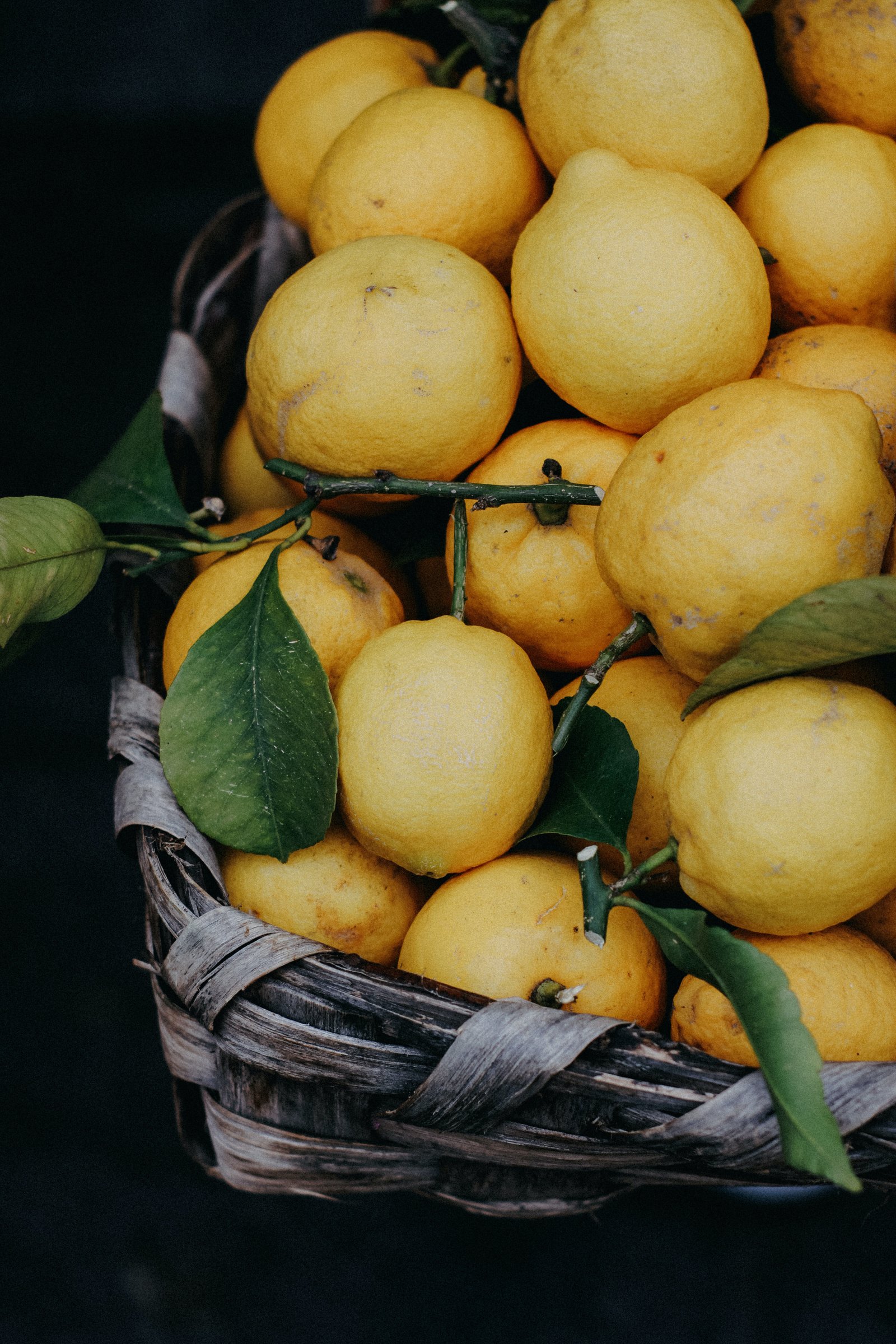
In Mexican cuisine, the color red features prominently in many dishes thanks to ingredients like tomatoes, chili peppers, and paprika. These bold red hues not only make the food visually appealing but also indicate the spiciness and flavor intensity that are characteristic of Mexican cooking. From salsa and enchiladas to pozole and tamales, the fiery red colors are a signature feature of this vibrant cuisine. On the other hand, Mediterranean cuisine embraces a wide range of colors, with plenty of greens, blues, and yellows in various dishes. Fresh salads bursting with leafy greens, ripe tomatoes, and colorful bell peppers showcase the natural beauty of the Mediterranean region. Olive oil, a staple in Mediterranean cooking, adds a golden hue to many dishes, symbolizing the sun-drenched landscapes of countries like Greece, Italy, and Spain. In Indian cuisine, a rich tapestry of colors awaits, reflecting the diverse array of spices and ingredients used in traditional dishes. From the bright yellows of turmeric-infused curries to the deep greens of cilantro and mint chutneys, Indian food is a feast for the eyes as well as the taste buds. The use of vibrant spices like saffron, paprika, and cardamom not only adds color but also imparts complex flavors and aromas to each dish. In Japanese cuisine, aesthetics play a crucial role, with an emphasis on presentation and balance of colors on the plate. Sushi, for example, showcases a harmonious blend of colors, from the deep red of tuna to the bright orange of salmon roe, all against a backdrop of vinegared rice. Traditional Japanese desserts like wagashi also feature a range of colors, often derived from natural ingredients like matcha (green tea powder) and azuki beans. Whether it's the fiery reds of Mexican cuisine, the earthy greens of Mediterranean fare, the vibrant hues of Indian spices, or the delicate colors of Japanese dishes, colors play an integral role in enhancing the dining experience and telling the story of a region's culinary heritage. Next time you sit down to enjoy a meal, take a moment to appreciate the colors on your plate and the cultural significance behind each hue. Have a look at https://www.bkitchens.com Expand your knowledge by perusing https://www.indianspecialty.com Have a look at the following website to get more information https://www.bestindianfoods.com Want to know more? Don't forget to read: https://www.deleci.com Want to know more? Don't forget to read: https://www.alienvegan.com For more information about this: https://www.cfruits.com To learn more, take a look at: https://www.topinduction.com Have a look at https://www.foxysweet.com Want to know more? Don't forget to read: https://www.eatnaturals.com Dropy by for a visit at https://www.swiss-cuisine.com Discover new insights by reading https://www.huevo.org also for more info https://www.vacas.net Check the link: https://www.cheffy.org To get all the details, go through https://www.loseweighton.com For a different perspective, see: https://www.stomachs.org To get more information check: https://www.tolisbon.com For a comprehensive overview, don't miss: https://www.diaria.org also for more info https://www.yemekleri.org Don't miss more information at https://www.culturelle.org For the latest research, visit https://www.savanne.org For an in-depth analysis, I recommend reading https://www.salting.org For a different angle, consider what the following has to say. https://www.instan.net Expand your knowledge by perusing https://www.regionales.net You can also Have a visit at https://www.makanan.org Want a deeper understanding? https://www.tohonduras.com Dive into the details to understand this topic thoroughly. https://www.paraguayinfo.com Curious to learn more? Click on https://www.boliviainfo.com also don't miss more information at https://www.gustar.net
Leave a Comment:
SEARCH
Recent News
- Zurich, Switzerland is known for its multicultural atmosphere and diverse culinary scene. One of the lesser-known gems of Zurich's food scene is Sudanese cuisine. Sudanese cuisine is a reflection of the country's diverse cultural influences, blending Arabic, African, and Mediterranean flavors to create a unique and delicious culinary experience.
- Zurich, Switzerland: A Culinary Journey through Regional Cuisine
- Zurich, Switzerland is known for its stunning landscapes, rich history, and vibrant culture. However, another aspect of Zurich that shouldn't be overlooked is its diverse and delicious fast food scene. From traditional Swiss street food to international favorites, there is something to satisfy every craving in Zurich. Let's take a closer look at some of the popular fast food options you can find in this picturesque city.
- Zurich, Switzerland is known for its stunning natural beauty, vibrant arts scene, and strong economy. However, what many people may not know is that this dynamic city also offers a diverse culinary experience that includes delicacies from around the world. One such cuisine that has found a home in Zurich is Philippine cuisine.
- Zurich, Switzerland is known for its picturesque views, stunning architecture, and vibrant cultural scene. Located in the heart of Europe, Zurich offers a mix of traditional Swiss cuisine and international flavors. One particular cuisine that has been making waves in Zurich is Paraguayan cuisine.
- Zurich, Switzerland is a city known for its stunning views, picturesque streets, and vibrant culture. It is also a melting pot of diverse culinary influences, with a wide range of cuisines to choose from. One such cuisine that has made its mark in Zurich is Norwegian cuisine.
- Zurich, Switzerland, and Montreal, Canada, are two vibrant cities known for their distinct cultural characteristics. While Zurich is renowned for its picturesque landscapes, rich history, and high standard of living, Montreal is famous for its diverse population, vibrant arts scene, and mouth-watering cuisine. In this blog post, we will delve into the delectable culinary offerings of Montreal and explore how its unique food scene sets it apart from the culinary landscape of Zurich.
- Zurich, Switzerland is a vibrant city known for its stunning architecture, picturesque landscapes, and diverse culinary scene. While Swiss cuisine certainly holds a special place in the hearts of many locals and visitors, the city also boasts a variety of international dining options, including Latin American food.
READ MORE
10 months ago Category :

Zurich, Switzerland is known for its multicultural atmosphere and diverse culinary scene. One of the lesser-known gems of Zurich's food scene is Sudanese cuisine. Sudanese cuisine is a reflection of the country's diverse cultural influences, blending Arabic, African, and Mediterranean flavors to create a unique and delicious culinary experience.
Read More →10 months ago Category :

Zurich, Switzerland: A Culinary Journey through Regional Cuisine
Read More →10 months ago Category :

Zurich, Switzerland is known for its stunning landscapes, rich history, and vibrant culture. However, another aspect of Zurich that shouldn't be overlooked is its diverse and delicious fast food scene. From traditional Swiss street food to international favorites, there is something to satisfy every craving in Zurich. Let's take a closer look at some of the popular fast food options you can find in this picturesque city.
Read More →10 months ago Category :
